

Safeguarding our native amphibians and reptiles
At White Horse Ecology, we are dedicated to the critical work of species conservation, with a particular focus on reptiles and amphibians. Our work in the High Weald is just one example of helping partners and clients to understand complex habitat usage and population dynamics as well as implementing effective conservation strategies.
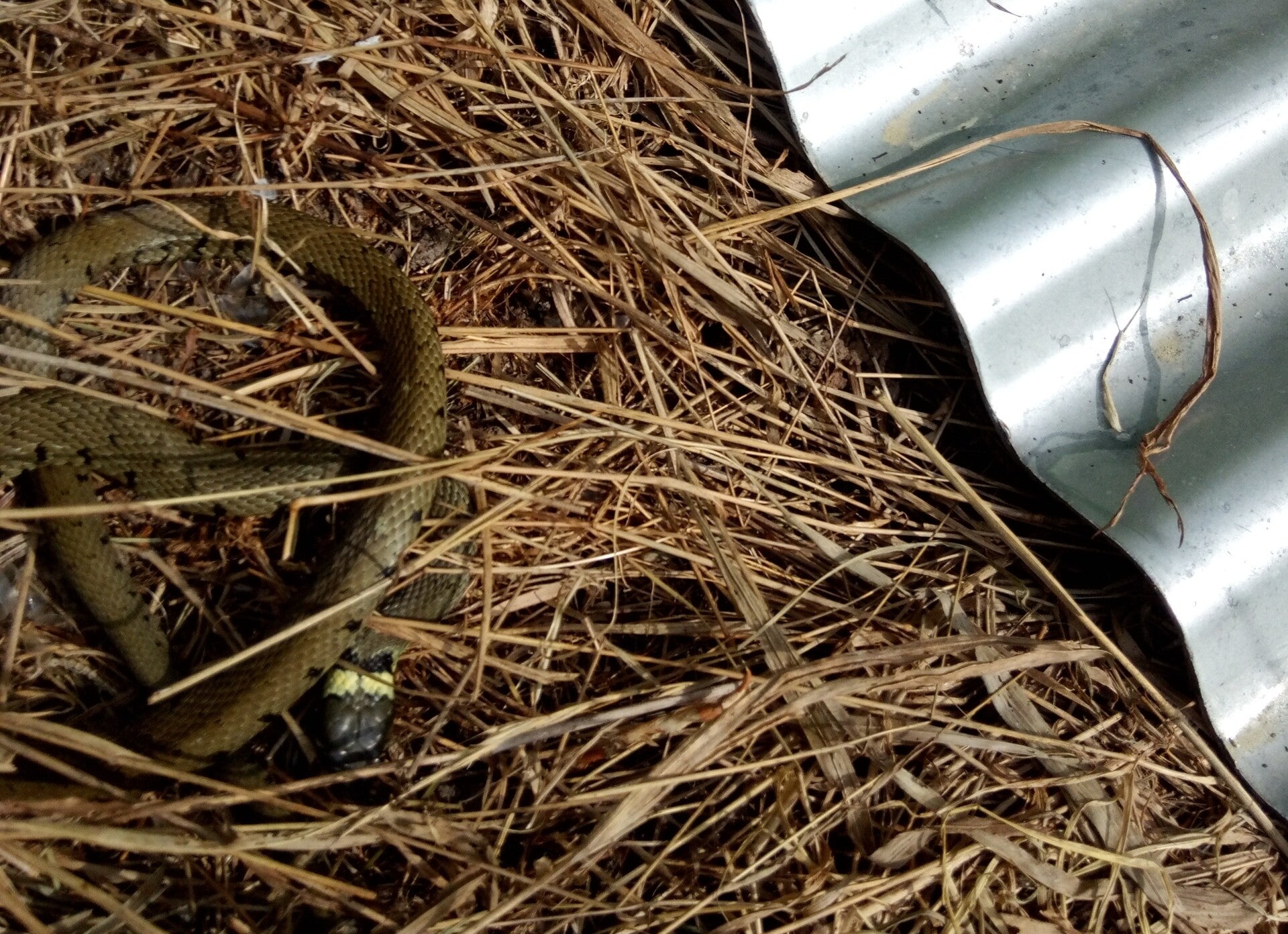
Expertise in amphibian and reptile conservation
Mike Phillips serves as the resident herpetologist at White Horse Ecology, bringing with him two decades of experience as a committee member of the Kent Reptile and Amphibian Group. Throughout this period, he has successfully led numerous countywide survey projects, made significant contributions to various publications, and played a pivotal role in guiding the strategic direction of amphibian and reptile conservation efforts within the county. This particular example of our work in the High Weald illustrates how our extensive expertise can be effectively leveraged by land managers, local authorities, farm clusters, and other landscape-scale partnerships.
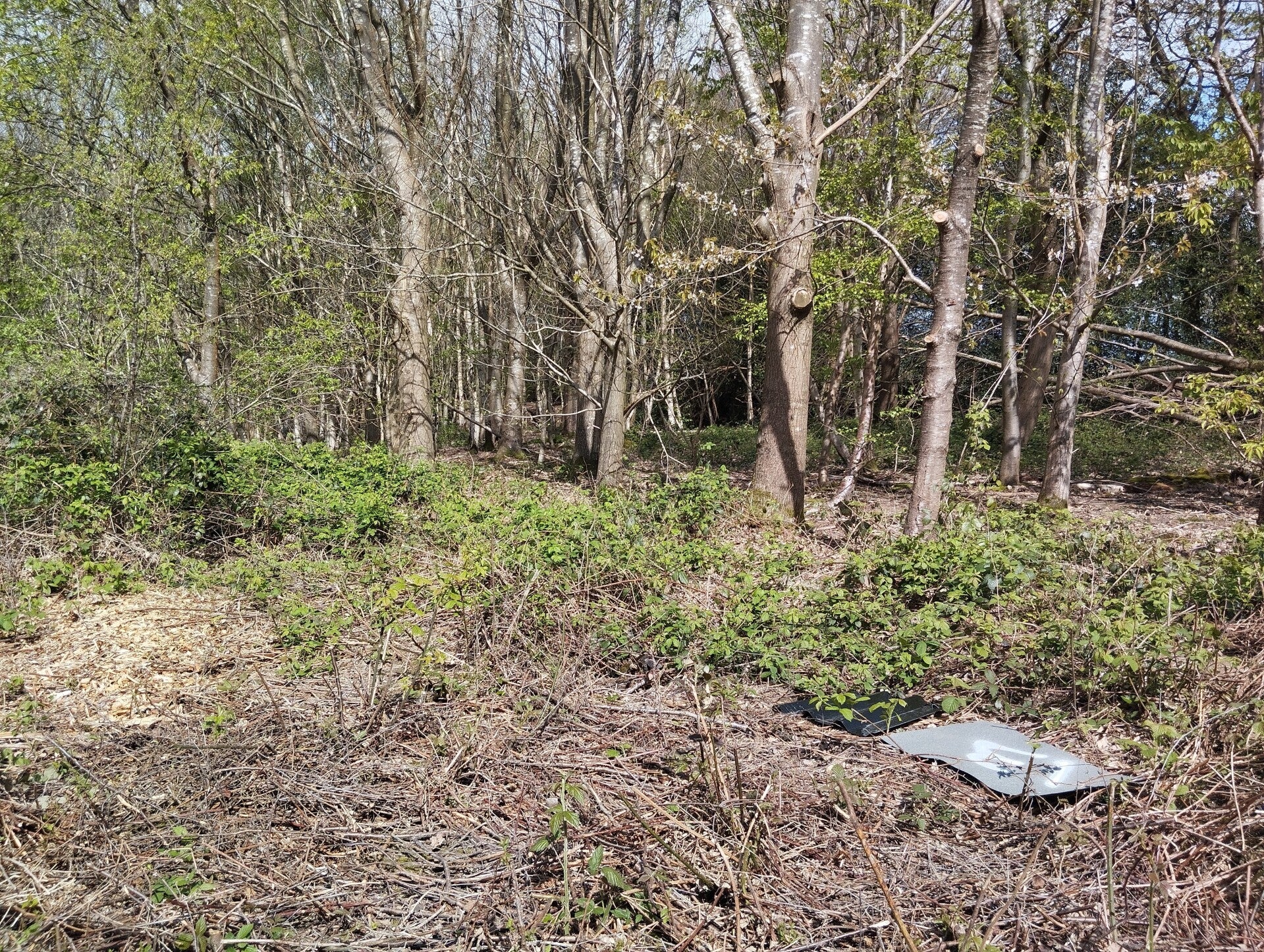
Managing land for vital habitats
We have engaged with the Kent High Weald Partnership in both professional and voluntary capacities for nearly two decades. Our collaborative efforts have encompassed a range of significant initiatives, including the identification of one of the largest toad populations within the county and the protection of an adder population located in a woodland area owned by the local authority. Throughout this period, the Kent High Weald Partnership has effectively collaborated with various conservation organisations, local and statutory authorities, as well as private landowners, to ensure the preservation of these vital herpetofauna populations in the Tunbridge Wells area.
In 2024, our investigations in the vicinity of Snipe Wood revealed a notable decline in suitable reptile habitat, particularly concerning a known adder population. However, it was also determined that a mosaic of potentially suitable habitats for adders and other reptiles still exists within the area.
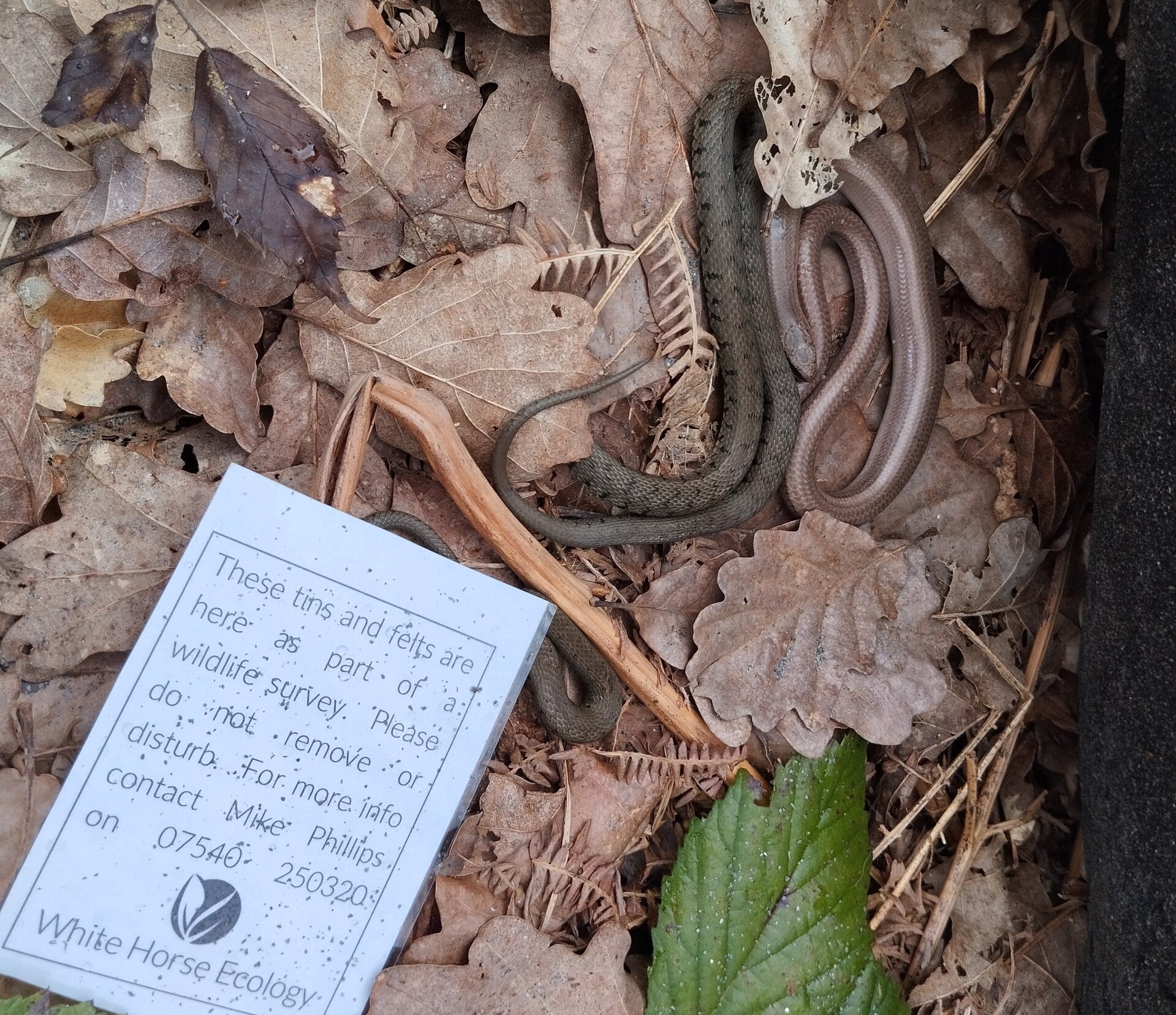
Making a real difference: adder conservation in Pembury
In England few species are as adversely affected by the biodiversity and climate crisis as the adder. White Horse Ecology is collaborating with Kent High Weald Partnership and Calumma Ecological Services to enhance our understanding of adder populations within the broader Pembury area and to propose effective conservation strategies for this vulnerable species.
This initiative will encompass a comprehensive landscape-scale assessment of the region's habitats, alongside a targeted social media campaign aimed at soliciting local sightings of adders and fostering engagement with landowners. Subsequent survey work will be conducted throughout the area. The findings from this research will inform the development of an adder conservation strategy for the study area and will contribute to the advancement of Kent's Local Nature Recovery Strategy.